Dhaka, Sept 8 (bdeconomy) -A privately operated US cotton warehouse is set to open in Anowara, Chattogram, in Mid-November, as part of a strategic roadmap to significantly expand bilateral trade between the United States and Bangladesh.
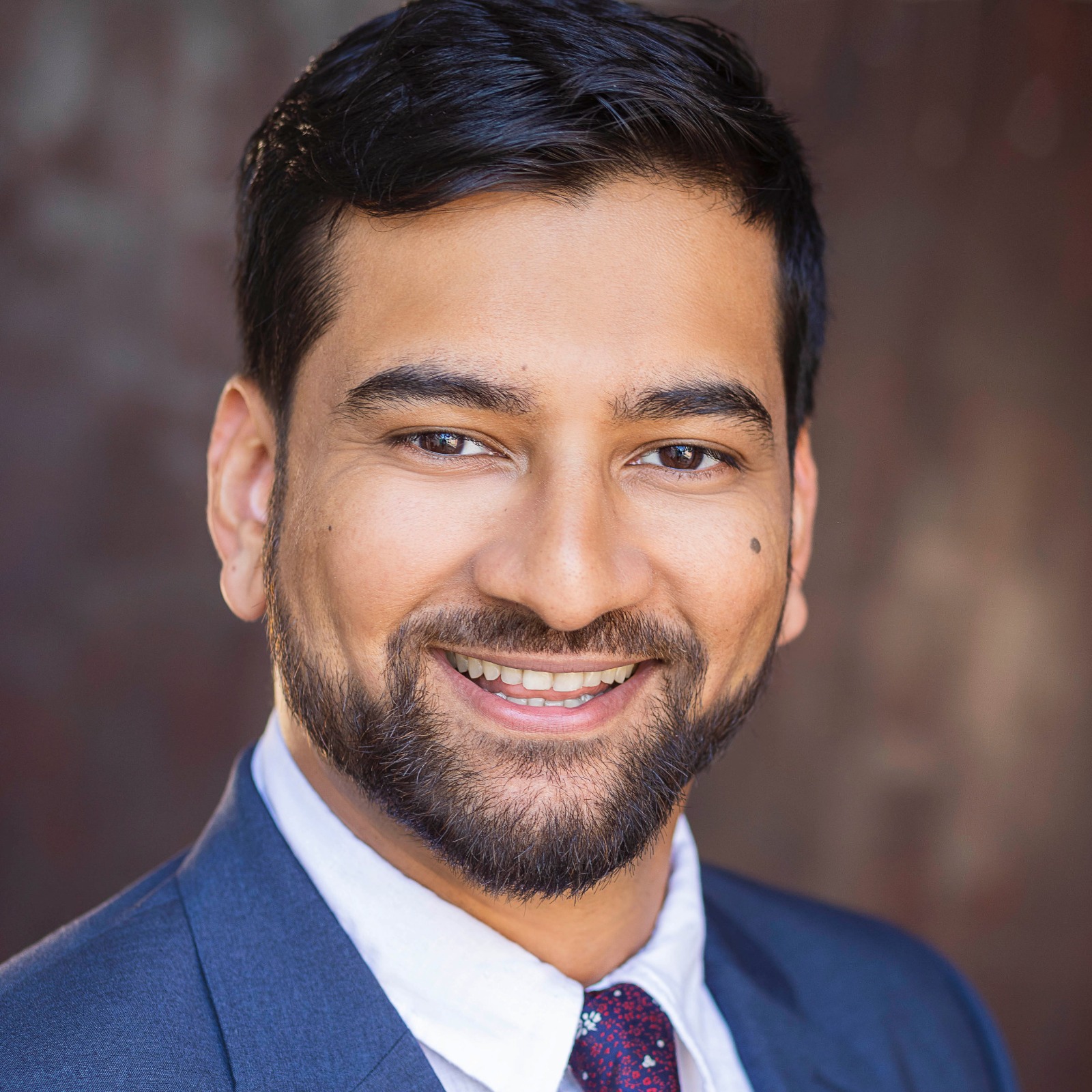
AmeriBangla Corporation, led by 32-year-old Bangladeshi-American entrepreneur Aswar Rahman, unveiled the multi-phase initiative aimed at elevating US-Bangladesh bilateral trade from under $10 billion to $100 billion by 2045.
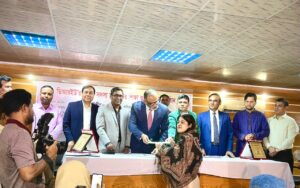
Speaking to journalists at a hotel in Dhaka, Rahman (CEO AmeriBangla Corporation) detailed a series of interconnected supply-chain, design, and logistics programs launching this autumn. The rollout began with initial shipments of raw US cotton to Bangladeshi textile manufacturers alongside the official launch of ‘CottonPort,’ a digital marketplace for floating auctions of raw US cotton that went live on August 27.
The warehouse model aims to provide Bangladeshi apparel manufacturers direct access to raw US cotton at prices lower than standard import channels. By sourcing directly from US farmers and ginners, AmeriBangla expects to sell cotton at approximately $0.10 less per pound than current market rates, where imported cotton averages around $0.85 per pound upon reaching Chattogram Port.
Mahmud Hasan Khan Babu, President of the Bangladesh Garment Manufacturers and Exporters Association (BGMEA), welcomed the initiative, noting that a local, privately operated cotton warehouse will substantially benefit domestic apparel entrepreneurs.
The framework gains momentum following a bilateral trade agreement granting duty exemptions to garments made with US cotton when exported to the American market. Industry insiders project that Bangladeshi imports of US cotton could rise to $2 billion annually. In fiscal year 2024–25, Bangladesh imported $346 million worth of US cotton—accounting for roughly 10 percent of its total cotton imports—up from $278 million in FY2023-24.

Key components of the roadmap set for October include:
All American Cotton Certification Program: Debuting in Manhattan on October 8, this initiative serves as the sole certification aligned with pending US Customs tariff exemptions and the proposed Buy American Cotton Act. Utilizing industrial reporting, third-party auditing, and state university isotropic testing, it offers garment buyers a 10–19% duty reduction and an 18% transferable tax credit on raw US cotton content, providing local manufacturers a competitive edge in US markets.
AmeriBangla Cotton Lab: Launching in New York City, this incubator will select up to 10 emerging fashion designers to manufacture their apparel lines in Bangladesh using certified US cotton, yarn, and fabric.
To secure the logistics pipeline, the AmeriBangla US Cotton Warehouse will open in Chattogram on November 18. Operating initially with an inventory of 80 to 100 metric tons at a leased facility, the company plans to transition into a permanent facility in the Anwara Free Trade Zone with backing from US federal entities, including the USDA, the US State Department, and the US EXIM Bank.
Regarding operational risks, Rahman cited bureaucratic delays and tax regime uncertainties as primary challenges, though he expressed confidence in market stability as Bangladeshi cotton prices track US cotton futures.